

The Future of Maritime Shipping: How Technology and Artificial Intelligence Are Transforming the Industry
━━━━━━━━━━━━━━━
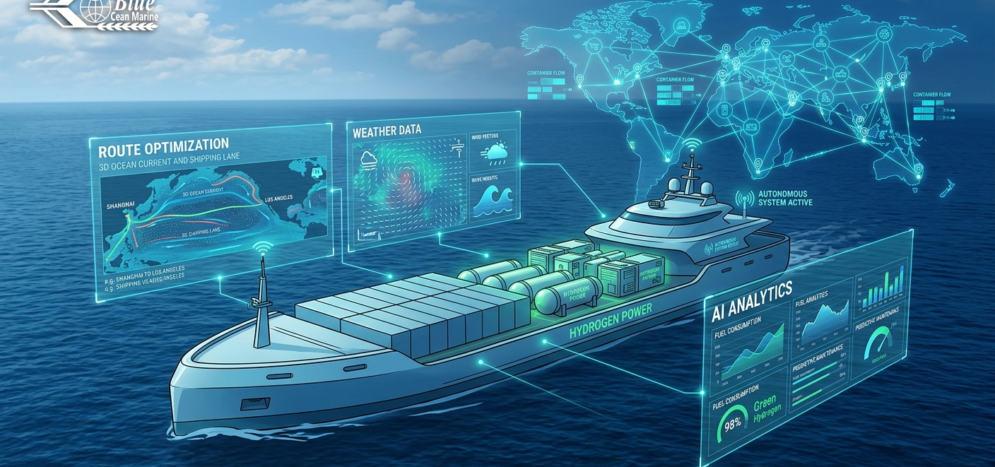
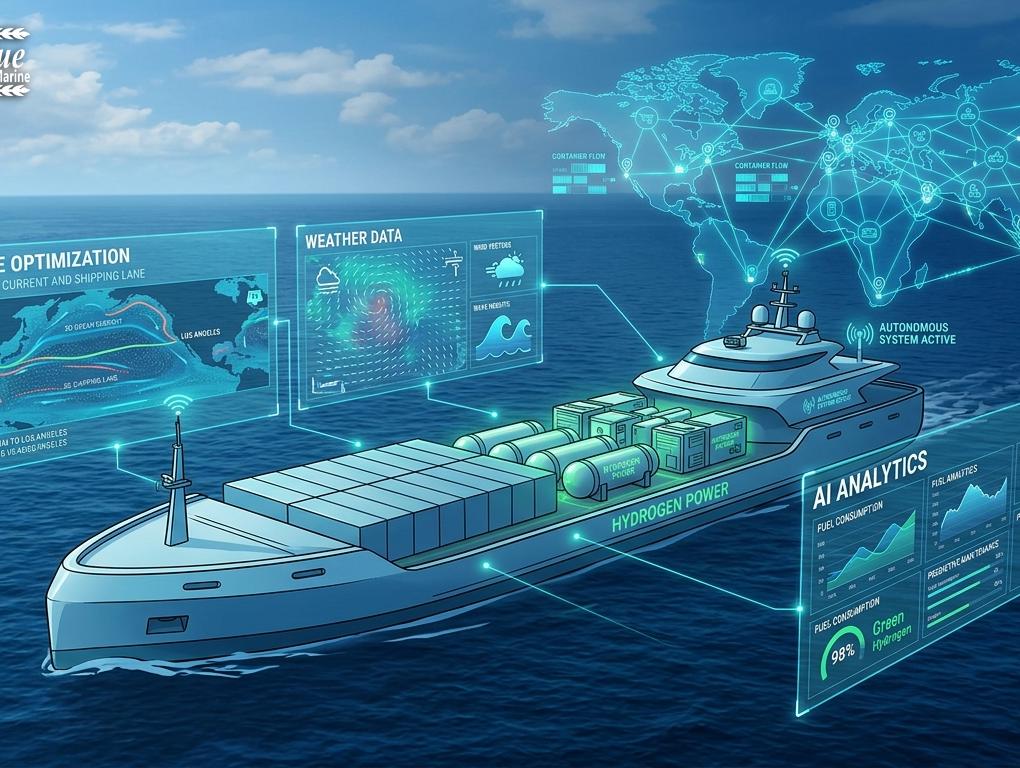
1. Artificial Intelligence in Route Optimization & Prediction
━━━━━━━━━━━━━━━
Major shipping companies such as Maersk and MSC are using Artificial Intelligence to:
• Optimize vessel routes to reduce fuel consumption (up to 30% efficiency improvement)
• Predict port congestion and delays 2–3 days in advance
• Improve container loading and unloading schedules
• Analyze weather data to avoid storms and rough sea conditions
Impact on your shipments:
More accurate delivery estimates and shipment delays reduced by up to 15%.
━━━━━━━━━━━━━━━
2. Blockchain in Shipping Documentation
━━━━━━━━━━━━━━━
The current challenge:
Paper Bills of Lading (BL) often take 5–7 days to arrive via courier and can cost thousands of dollars if lost.
The solution:
eBL (Electronic Bill of Lading) powered by Blockchain technology.
• Bolero and ESSDOCS are among the leading platforms
• TradeLens, launched by Maersk and IBM, pioneered the concept (ended in 2022, but the technology direction continues)
What this means for you:
Shipping documents can be transferred digitally within seconds instead of days.
━━━━━━━━━━━━━━━
3. Autonomous Vessels
━━━━━━━━━━━━━━━
In 2022, the Norwegian vessel Yara Birkeland completed one of the first fully autonomous commercial shipping operations.
Leading shipping companies are investing billions of dollars in autonomous maritime technologies.
Forecast:
By 2030, approximately 10–15% of commercial vessels may become partially autonomous.
━━━━━━━━━━━━━━━
4. Green Shipping: Towards Zero Emissions by 2050
━━━━━━━━━━━━━━━
The IMO (International Maritime Organization) has set targets to significantly reduce shipping emissions by 2050.
Emerging solutions include:
• Green fuels: Hydrogen, green ammonia, and methanol
• Hybrid vessels: Solar panels and wind-assisted propulsion systems
• Electric batteries: Primarily for short-distance vessels and ferries
Impact on shipping costs:
Short-term freight costs may rise by 2–8% as the industry transitions to more expensive green fuels.
━━━━━━━━━━━━━━━
5. Port Digitalization & Smart Ports
━━━━━━━━━━━━━━━
Smart ports such as Rotterdam, Singapore, and Shanghai are already implementing:
• Fully automated cranes without human operators
• IoT systems for real-time container tracking within ports
• AI-powered customs clearance systems
• Up to 40% improvement in berth utilization efficiency
Egypt & Digitalization:
The NAFEZA platform is an important step toward digital transformation, while Alexandria’s port development projects include major technological upgrades.
━━━━━━━━━━━━━━━
6. Digital Supply Chains & Full Transparency
━━━━━━━━━━━━━━━
The future of logistics points toward 100% transparent supply chains, where shipments are traceable from a factory in China to retail shelves in Egypt, with every step recorded digitally.
This could mean:
• Eliminating fraud in certificates of origin
• Ensuring authenticity for sensitive products
• Faster insurance claims and compensation processing
━━━━━━━━━━━━━━━
Blue Ocean Marine & Technology Adoption
━━━━━━━━━━━━━━━
At Blue Ocean Marine, we stay ahead of industry changes through:
• An integrated online shipment tracking system on our website
• Support for eBL through digitally enabled shipping lines
• A specialized technical team experienced with the NAFEZA platform
• A strategic roadmap toward Smart Port technologies
Maritime shipping is evolving — and we evolve with it to ensure your shipments move faster, safer, and more efficiently.
Contact us at: info@blueoceanmarine.com.eg