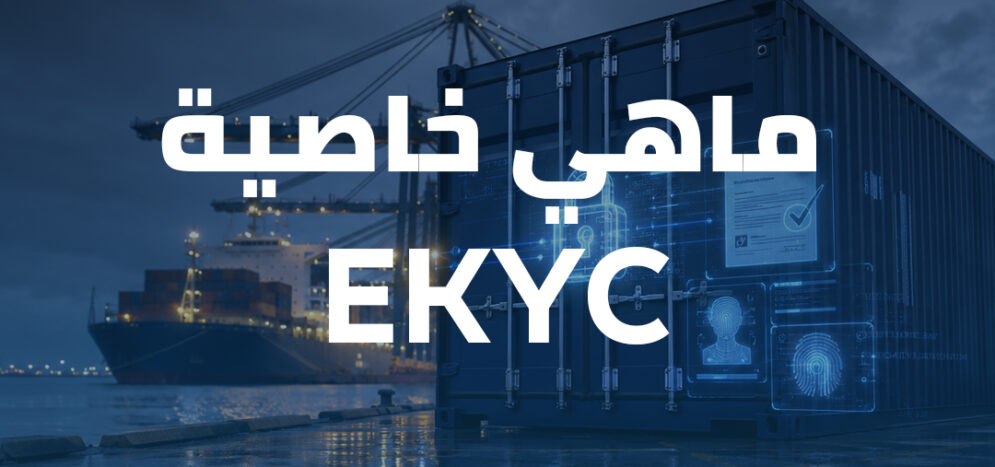
If you’re importing goods into Egypt, you’ve probably heard about eKYC recently — especially with the continuous digital transformation of the Egyptian customs system through NAFEZA.
But what exactly is eKYC, and why should importers care?
In simple terms, eKYC (Electronic Know Your Customer) is a digital identity verification process that helps customs and logistics systems verify importer information electronically without requiring traditional physical verification.
For importers, this means faster processing, more secure verification, fewer documentation issues, and smoother customs procedures.
What Does eKYC Mean?
eKYC stands for Electronic Know Your Customer.
It is a digital process used to verify the identity of companies or individuals through electronic systems instead of physical paperwork or in-person validation.
Within Egypt’s customs ecosystem, eKYC helps ensure that shipment owners, importers, and businesses are verified accurately through secure digital methods.
The system may include verification using:
- National ID or passport validation
- Company information verification
- Digital documentation review
- Identity matching systems
- Electronic customs records
This improves efficiency while reducing fraud and paperwork-related delays.
Why Is eKYC Important for Importers?
Many shipment delays happen due to documentation problems, identity mismatches, or incomplete information.
With eKYC, importers can benefit from:
Traditional verification methods often slow shipment processing.
Electronic verification allows customs systems to process data faster, reducing waiting time and helping shipments move more efficiently.
One missing or incorrect document can delay customs clearance significantly.
eKYC helps improve verification accuracy and minimize common documentation mistakes.
Egyptian customs authorities continue to improve compliance and shipment security.
eKYC adds another layer of protection by digitally verifying importer information.
Since NAFEZA continues to expand digital customs operations, importers who understand these systems can avoid unnecessary delays and complications.
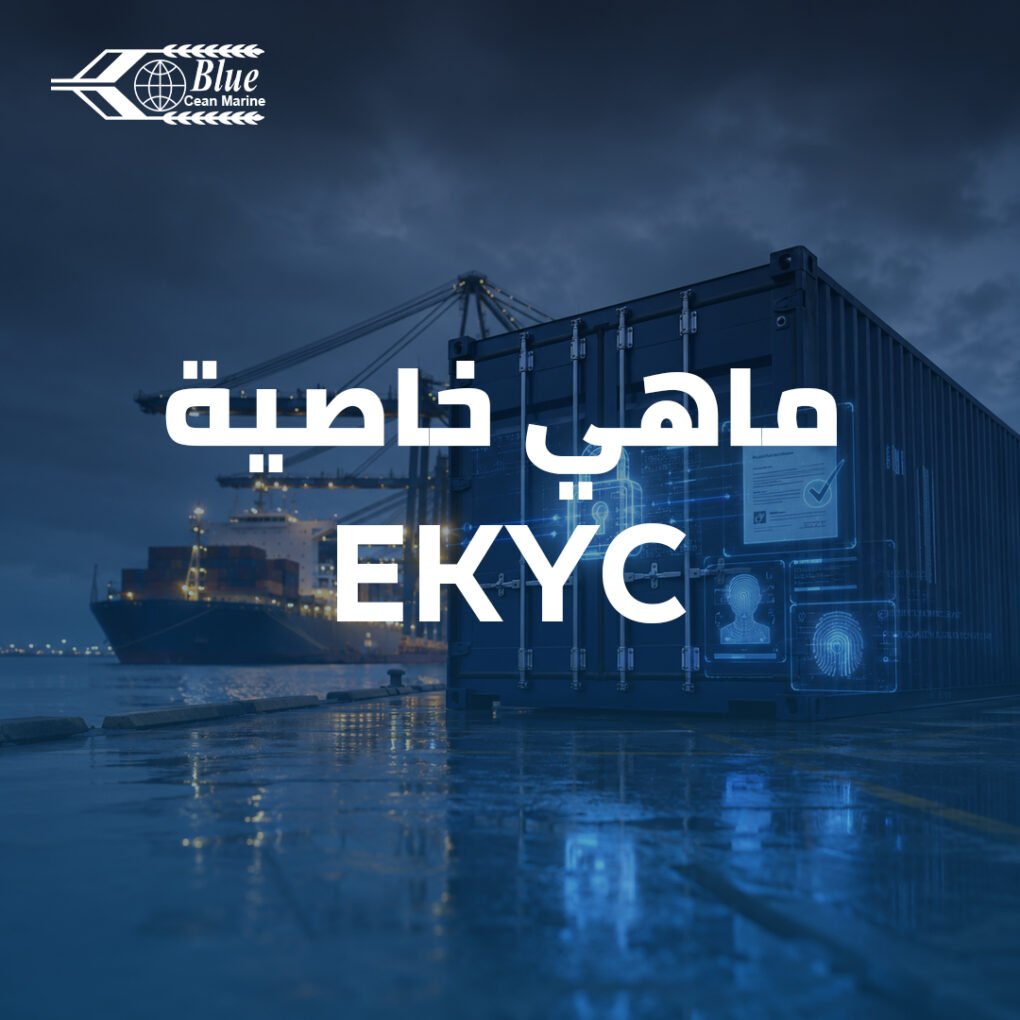
What Is eKYC in Egypt Customs? Everything Importers Need to Know (2026 Guide)
How Does eKYC Work?
Although procedures may vary depending on updates and customs requirements, eKYC generally works through a digital verification flow.
Step 1: Submit Identity Information
The importer provides identification and business-related information through approved systems.
Step 2: Digital Verification
The system verifies submitted information electronically.
This may involve reviewing:
Customs-related data
Company documents
Identity records
Importer credentials
Step 3: Identity Matching
The submitted information is checked against official databases and digital records.
Step 4: Verification Completion
Once verified, importers can continue customs-related procedures more efficiently.
eKYC & NAFEZA: What’s the Connection?
Egypt’s customs sector has shifted heavily toward digitization in recent years through the NAFEZA platform.
NAFEZA was introduced to streamline import/export procedures and improve customs efficiency.
eKYC supports this transformation by helping customs authorities validate information digitally and reduce manual bottlenecks.
For businesses importing into Egypt, staying updated with NAFEZA requirements is essential to avoid delays and compliance issues.
How Blue Ocean Marine Logistics Helps
At Blue Ocean Marine Logistics, we help importers navigate customs procedures with confidence.
Our team supports businesses with:
✅ Customs clearance support
✅ NAFEZA-related logistics processes
✅ Documentation coordination
✅ Shipment handling
✅ Import & export logistics solutions
✅ End-to-end freight forwarding services
Whether you’re importing from China, GCC countries, Turkey, or global markets, our team helps simplify the process.