

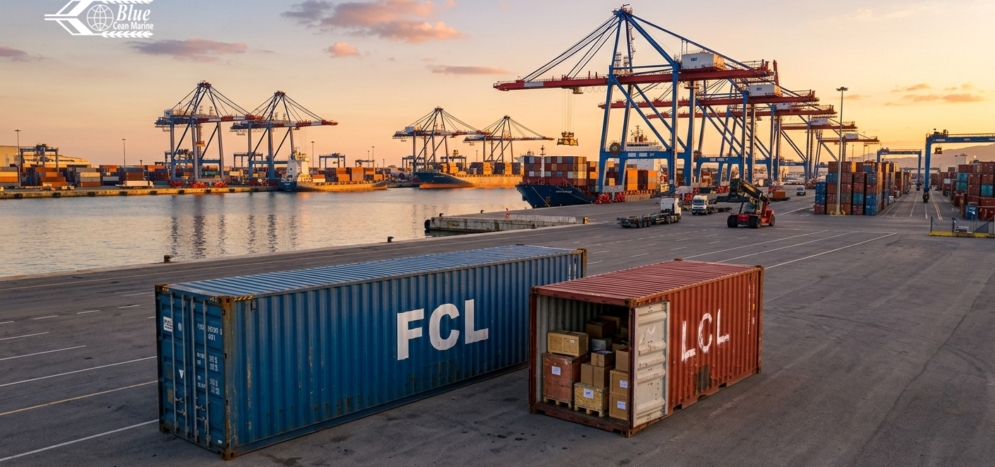
FCL vs. LCL in Sea Freight: Which Option is Best for Your Shipment from Egypt?
When planning to import or export goods by sea, one essential question will always arise: should you book a full container (FCL) or share container space with other shippers (LCL)? The answer directly impacts shipping costs, transit time, and cargo safety.
At Blue Ocean Marine, we deal with this question daily since 1984. In this article, we explain the difference in detail to help you make the best shipping decision.
━━━━━━━━━━━━━━━
What is FCL (Full Container Load)?
━━━━━━━━━━━━━━━
FCL means renting an entire shipping container exclusively for your cargo, whether it is fully loaded or not. The container is sealed after loading and remains unopened until it reaches the final destination.
Available Container Sizes:
• 20-foot container (TEU): up to 28 tons or 33 CBM
• 40-foot container (FEU): up to 26 tons or 67 CBM
• 40-foot High Cube container: up to 76 CBM
When should you choose FCL?
✓ Your shipment exceeds 15 CBM
✓ You are shipping high-value goods requiring better security
✓ Your cargo is sensitive to odors or contamination
✓ You need faster delivery without consolidation delays
━━━━━━━━━━━━━━━
What is LCL (Less than Container Load)?
━━━━━━━━━━━━━━━
LCL means paying only for the space your cargo occupies. The freight forwarder consolidates shipments from multiple shippers into one container — a process known as Consolidation or Groupage.
LCL pricing is calculated based on W/M (Weight or Measurement), whichever is higher.
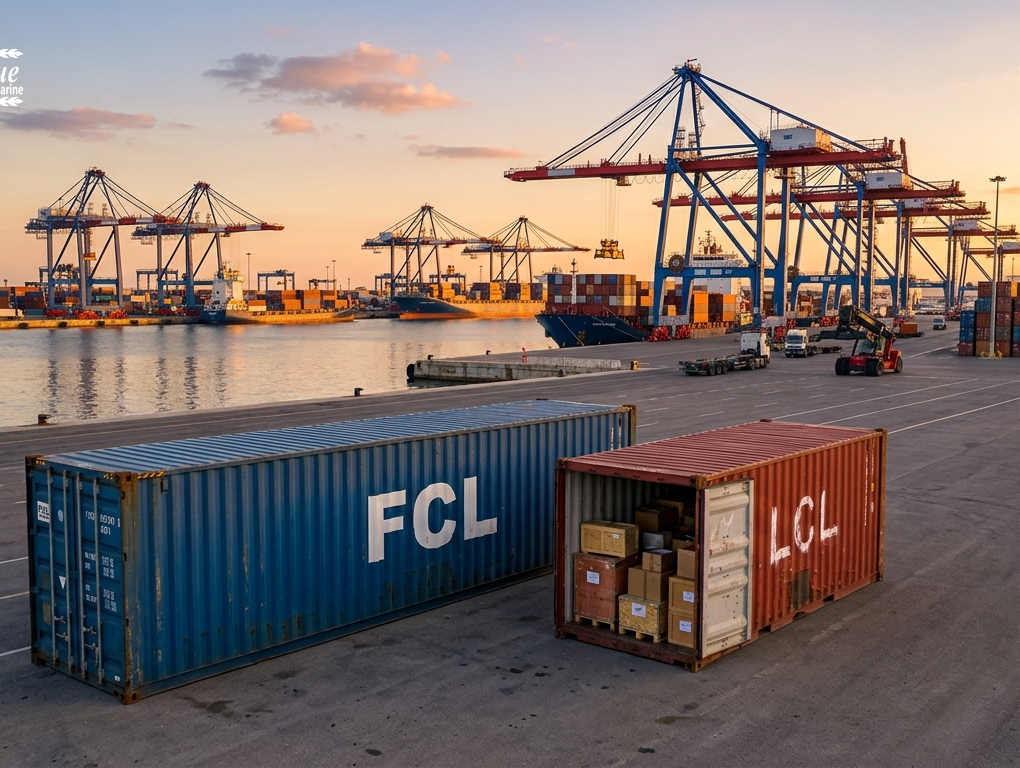
When should you choose LCL?
✓ Your shipment is less than 15 CBM
✓ You are a small or medium-sized business shipping limited quantities
✓ You want to test a new supplier with a small order first
✓ You have a limited budget and do not need a full container
━━━━━━━━━━━━━━━
Comprehensive Comparison: FCL vs. LCL
━━━━━━━━━━━━━━━
Cost:
• FCL: You pay for the entire container regardless of volume — more cost-effective for large shipments
• LCL: You only pay for the space used — ideal for smaller shipments
Transit Time:
• FCL: Faster, as the container moves directly without consolidation stops
• LCL: Requires consolidation at the origin port and deconsolidation at destination, which may add 3–7 extra days
Security:
• FCL: The container is sealed exclusively for your cargo — more secure
• LCL: Additional cargo handling increases the risk of damage or loss
Flexibility:
• FCL: You commit to a full container even if not fully utilized
• LCL: Greater flexibility for smaller shipment volumes
━━━━━━━━━━━━━━━
The Golden Rule: When Should You Switch from LCL to FCL?
━━━━━━━━━━━━━━━
Practical experience shows that once your shipment exceeds 12–15 CBM, FCL is often more economical than LCL. Always compare costs for both options before booking.
Practical Example:
• A 5 CBM shipment from Alexandria to Rotterdam → LCL is much more economical
• A 20 CBM shipment on the same route → FCL is cheaper and more secure
━━━━━━━━━━━━━━━
How Can Blue Ocean Marine Help You?
━━━━━━━━━━━━━━━
Our specialized team in Alexandria, serving clients since 1984, provides:
• FCL and LCL rate comparisons across different shipping lines
• Free consultation to help you choose the best shipping option
• Complete customs clearance services at both ends
• Real-time shipment tracking
FCL ولا LCL؟ أيهما أنسب لشحنتك؟
FCL = حاوية كاملة ليك لوحدك
✔ أسرع
✔ أأمن
✔ أفضل للشحنات الكبيرة (+15 متر مكعب)
LCL = تشارك حاوية مع شحنات تانية
✔ أوفر للشحنات الصغيرة
✔ تدفع على حجم بضاعتك فقط
✔ مناسب لو أقل من 15 متر مكعب
القاعدة الذهبية:
لو شحنتك فوق 12–15 CBM غالباً FCL هيكون أوفر وأأمن من LCL.
مثال:
📦 5 متر مكعب → LCL أفضل
📦 20 متر مكعب → FCL أفضل