


Dangerous Goods Shipping from Egypt: The Complete Guide
Shipping dangerous goods by sea requires strict compliance with international IMO standards, known as the IMDG Code (International Maritime Dangerous Goods Code). Failure to comply does not only lead to shipment rejection — it may also result in significant fines and serious risks to the vessel and crew.
Vestibulum blandit libero at mauris condimentum scelerisque. In scelerisque in mauris ut malesuada. Nam sodales scelerisque ipsum sed vestibulum. Curabitur gravida orci purus, pellentesque efficitur metus ullamcorper et. In hac habitasse platea dictumst. Quisque quis turpisas dictum, congue est vitae porttitor.
━━━━━━━━━━━━━━━
The Nine Classes of Dangerous Goods (IMO Classes)
━━━━━━━━━━━━━━━
Class 1: Explosives
Explosive materials and substances.
Class 2: Gases
Includes flammable, non-flammable, and toxic gases.
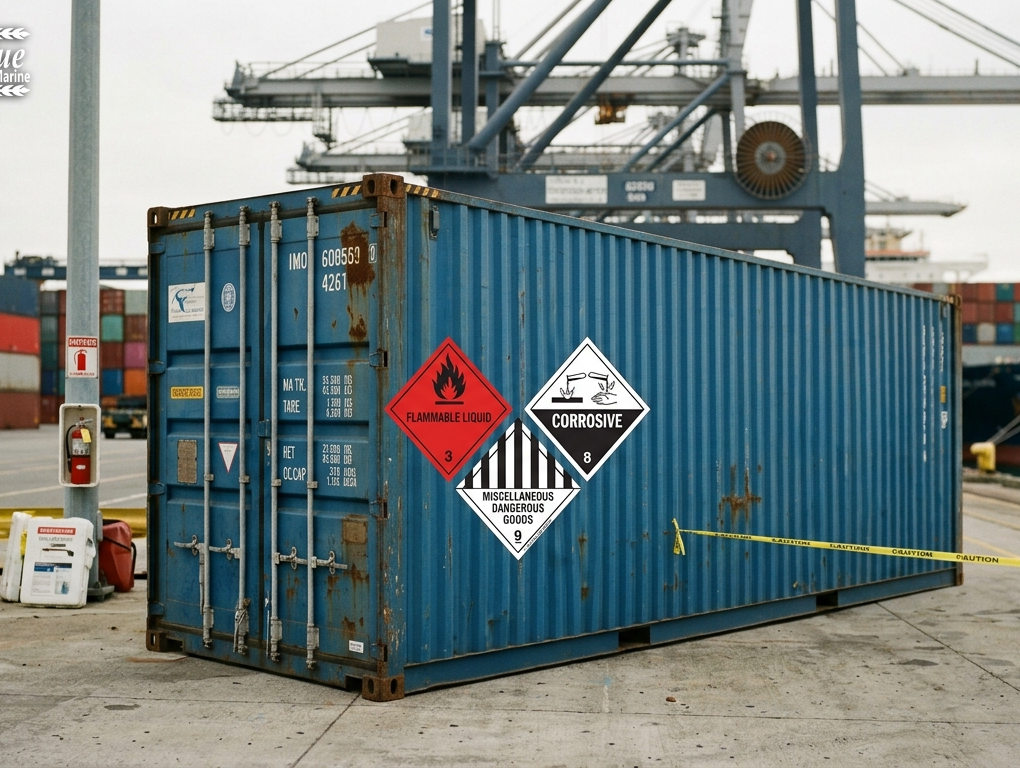
Class 3: Flammable Liquids
Such as gasoline, alcohol, and other flammable liquids.
Class 4: Flammable Solids
Solid materials that may ignite easily during transport.
Class 5: Oxidizing Substances and Organic Peroxides
Materials that may intensify combustion or trigger dangerous reactions.
Class 6: Toxic and Infectious Substances
Substances harmful to health or capable of spreading infection.
Class 7: Radioactive Materials
Radioactive substances requiring highly controlled shipping conditions.
Class 8: Corrosive Materials
Such as acids and corrosive chemicals.
Class 9: Miscellaneous Dangerous Goods
Includes products such as lithium batteries and dry ice (solid carbon dioxide).
━━━━━━━━━━━━━━━
Additional Documents Required for Dangerous Goods Shipping
━━━━━━━━━━━━━━━
In addition to standard shipping documents, you will need:
Prior Shipping Line Approval: Advance approval from the carrier before shipment acceptance.
Dangerous Goods Declaration (DGD): A detailed declaration describing the nature, quantity, and hazards of the cargo.
MSDS (Material Safety Data Sheet): Safety documentation containing handling and hazard information.
Container Packing Certificate (CPC): A certificate confirming the container has been packed correctly according to regulations.
━━━━━━━━━━━━━━━
Packaging & Classification Requirements
━━━━━━━━━━━━━━━
━━━━━━━━━━━━━━━
Packaging & Classification Requirements
━━━━━━━━━━━━━━━
Every dangerous good must be:
• Packed in UN-approved packaging
• Clearly labeled with its corresponding UN Number
• Marked with the correct IMDG hazard labels and warnings
• Stored according to segregation rules between incompatible dangerous goods classes
━━━━━━━━━━━━━━━
Common Mistakes & Penalties
━━━━━━━━━━━━━━━
• Concealing the dangerous nature of cargo: Fines may reach $50,000, with imprisonment possible in some countries.
• Improper packaging: Shipment rejection and repacking costs.
• Incomplete documentation: Container detention at the port.
━━━━━━━━━━━━━━━
Blue Ocean Marine — Specialists in Dangerous Goods Shipping
━━━━━━━━━━━━━━━
Our specialized team handles all IMO classes and provides:
• Free cargo classification review according to the IMDG Code
• Full preparation of DGD and compliance documents
• Coordination with shipping lines for prior approval
• Specialized marine insurance for dangerous cargo
Contact us at reefer@blueoceanmarine.com.eg for inquiries.